Short window
Peak-hour queue mapping
Some waits only exist between noon and two, or between the first dinner seating and the second. A peak-hour map is for that stretch alone.
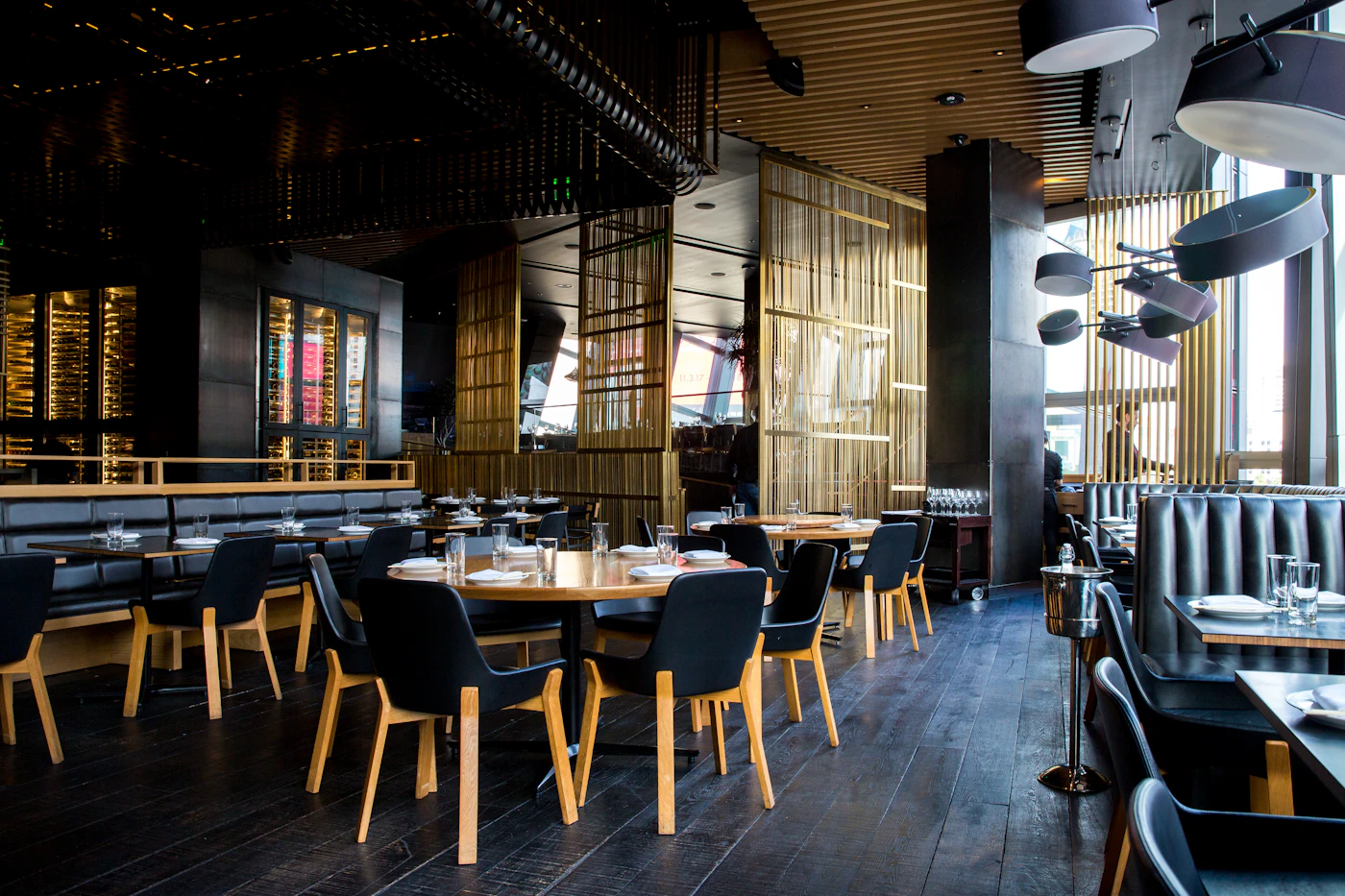
A full-day study is not always needed. If your complaint is the Saturday colour rush, or the clinic lunch list that always overruns, we come for that window and leave when it ends.
The map is a sequence, not a heat diagram. It says who stood, who sat, who was called ahead of a name that had been waiting, and how the booking app’s order compared with the order at the door.
Who it is for
Floor managers who already know which hours hurt and want that window described, not a full-day study.
What you receive
A map of that window: standing line versus seated wait, names called out of app order, and the minutes that accumulated at the door.
Included
- Agreement on the peak window before we arrive
- Timed notes on standing queue, seated wait, and call order
- A short written map of the window, usually within seven working days
Not included
- A full-day log
- Review of booking calendars from other days
How the work runs
- You name the window (for example Saturday 10:00–13:00).
- We arrive twenty minutes before it starts.
- We leave when the window closes and write the map.
Preparation
Keep the door and waiting area usable as usual. Do not thin the list for our sake; a quiet peak tells us little.
Limits
One window, one premises. If rain or a sudden closure empties the room, we reschedule the window at no extra fee.