Flagship visit
On-site wait-time study
A booking in the app is a promise of a chair. The wait begins when that promise and the actual chair drift apart. Our flagship study sits in the room where that drift is visible.
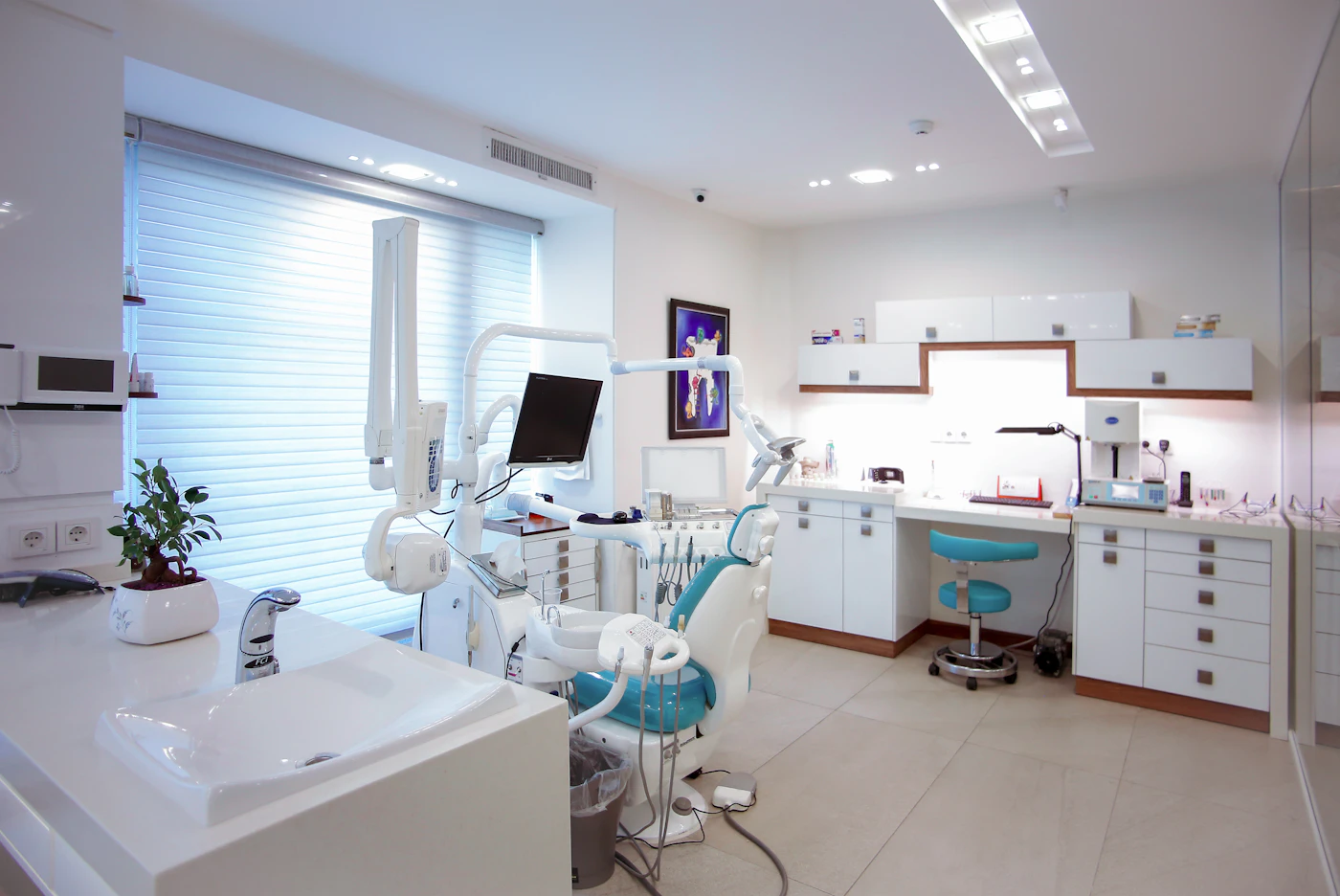
Most of the businesses that write to us already use a booking app. Names are on the list. Reminders went out. And still, at eleven on a Saturday, five people sit with their bags on their laps while one chair is free and another is running twenty minutes behind. The app is not wrong, exactly. The morning’s sequence is.
We come to the premises and stay for a half day or a full day. One of us sits with a view of the door and the reception desk. We mark the clock when someone arrives, when their slot was meant to start, and when they are actually called. Walk-ins, late marks, and empty slots go in the same log. We do not time the treatment itself.
After the visit we type the log and write what the numbers cannot say on their own: that colour appointments were booked back-to-back with no rinse buffer; that two hygienists share one waiting bench and both lists peaked at 2 p.m.; that the restaurant’s app seated a table of six at the same minute the walk-in couple was told “about ten minutes.”
The account is yours to keep. It is not a ranking, and it is not a software report. It is a record of one working session in Klang, Petaling Jaya, or wherever we agreed to sit.
Who it is for
Owners and floor supervisors of clinics, dental rooms, salons, spas, and restaurants that take appointments through a booking app and still see a line at the door.
What you receive
A dated written account of that session: when each guest arrived, what the booking app showed, when they were actually called, and which booking habits (stacked slots, missing buffers, walk-ins taken into a full list) fed the wait.
Included
- A planning call to agree the date, the hours we sit, and which chairs or rooms we may watch
- One observer at reception and in the waiting area for the booked window
- A timed log of arrivals, booked times, and start times, kept on paper and later typed
- A look at that day’s booking list in the app you already use — we do not install anything
- A written account, usually within ten working days, in plain English
Not included
- Staff coaching or a rewritten booking policy
- Changes inside the booking app itself
- Mystery shopping of prices or treatments
- Video recording of guests unless you arrange written consent separately
How the work runs
- You send a note describing the premises, the booking app you use, and the hours that feel most crowded.
- We agree a date when the list is typical — not a public holiday and not a staff-training morning.
- On the day we arrive before the first booking, sit where reception can see us, and keep a timed log.
- We ask reception only when a name, a walk-in, or a late mark is unclear.
- You receive the written account and a short call to walk through the pages that matter.
Preparation
Tell reception we will be present. Share a view of that day’s booking list (print or screen is enough). We do not need guest contact details. If a treatment room is off-limits, say so before the visit.
Limits
We study the wait, not the clinical or beauty work itself. Guests are not interviewed unless you introduce us. One study covers one premises and one day’s list.